
Shoulder Pain Relief - South Jersey

Understanding Shoulder Pain in South Jersey
The shoulder is the most mobile joint in the body. That mobility comes at the cost of stability, which is why shoulders break down so often. Pain can come from the joint itself, the rotator cuff, the surrounding muscles, or, very commonly, from nerve irritation in the cervical spine. A patient with shoulder pain who has had imaging come back clean is often a patient with a cervical source.
Common causes include neck and upper back tightness, spinal misalignment in the lower cervical vertebrae, arthritis, abnormal movement patterns built up over time, and direct injuries from sports or accidents. The pain shows up in different ways: trouble lifting the arm, pain when carrying objects, deep ache at night, snapping or clicking with movement, sharp pain that comes and goes for no obvious reason.
Our exam looks at the shoulder, the surrounding muscles, and the cervical spine together. This approach is built on identifying the specific joint that is the actual source of the problem. When the source is cervical, an adjustment to the involved vertebra often provides shoulder relief that no amount of work on the shoulder itself would produce. When the shoulder joint is the actual problem, the plan reflects that and may include referral if surgical assessment is appropriate. The goal is to find the real cause before committing to a single course of care. Most shoulder cases respond well when the source is correctly identified, regardless of where on the chain the work needs to happen.
If you're experiencing Shoulder Pain, our Rio Grande, Mt. Laurel, and Northfield chiropractic clinics are here to help, serving patients from across the surrounding communities. Learn more about our practice and the conditions we help with.
Advanced Care for Shoulder Pain in South Jersey
Shoulder Pain FAQ: South Jersey
Answers to the questions our South Jersey patients ask most about shoulder pain.
Ready to Feel Like Yourself Again?
Other Conditions We Help

Scoliosis
Abnormal sideways curvature of the spine that affects posture, motion, and long-term function.
Learn More
Headaches & Migraines
Recurring head pain often driven by tension and misalignment in the upper neck.
Learn More
Disc Injury
Bulging, herniated, or extruded spinal discs that compress nerves and limit movement.
Learn More
Peripheral Neuropathy
Nerve damage that brings burning, numbness, tingling, and pain, most often in the hands and feet.
Learn More
Sports Injury
Strains, sprains, and overuse injuries from training and competition that keep you off the field.
Learn More
Knee Pain
Knee pain from injury, overuse, or wear that limits walking, stairs, and daily movement.
Learn More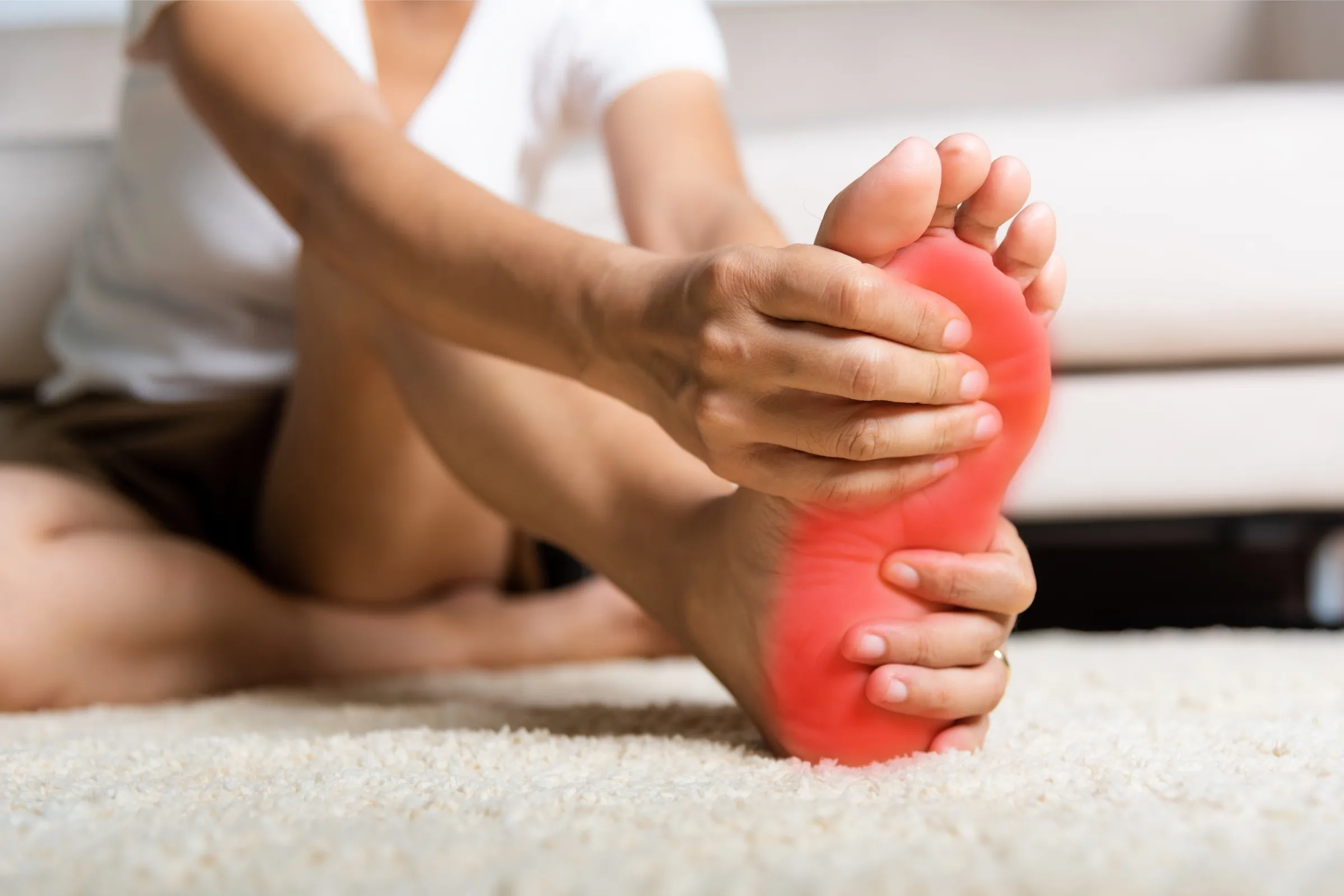
Plantar Fasciitis
Heel and arch pain from irritation of the tissue along the bottom of the foot, often worst with the first steps of the day.
Learn More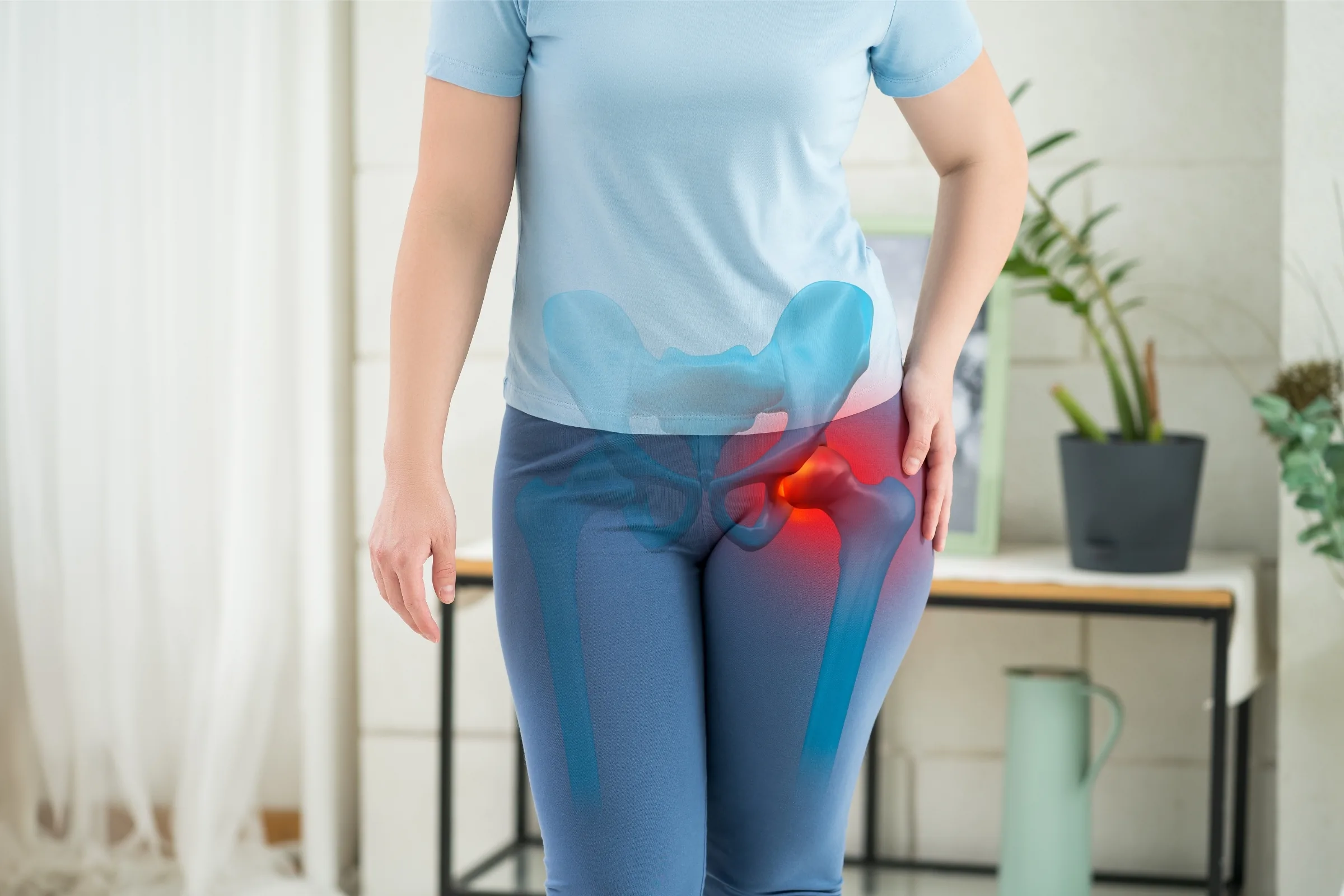
Hip Pain
Hip and groin pain or stiffness that affects walking, sitting, and sleep.
Learn More
Pregnancy-Related Spinal Stress
A physiologic state that shifts posture, weight, and ligament tension in ways that strain the spine.
Learn More
Vertigo
Sensation of spinning or imbalance, often linked to upper cervical or inner ear dysfunction.
Learn More
Sciatica
Sharp, radiating pain down the leg caused by irritation of the sciatic nerve at the spine.
Learn More
Carpal Tunnel Syndrome
Hand and wrist pain, numbness, or weakness from median nerve compression.
Learn More
Back Pain
Spinal misalignment, disc problems, or muscle strain limiting daily movement and quality of life.
Learn More
Arm & Leg Pain
Pain, numbness, or weakness in the limbs caused by nerve compression at the spine.
Learn More
Neck Pain
Stiffness, soreness, or sharp pain in the cervical spine that limits motion and daily activity.
Learn More
Work Injury
Injuries from job-related accidents, repetitive motion, or sustained poor posture on the job.
Learn More