

Vertigo Relief - South Jersey

Understanding Vertigo in South Jersey
Vertigo is the feeling that the world is moving when it is not. The room spins, balance falters, and simple movements like turning the head or rolling over in bed can trigger an episode. Vertigo is a symptom rather than a single condition, which is why patients often cycle through specialists without finding a clear answer.
Causes range. Inner ear problems are the most well-known and include conditions like benign positional vertigo. But vertigo also commonly stems from upper cervical misalignment, where vertebrae at the top of the neck affect the nerves and blood flow that govern balance. Migraines, head injuries, and reduced cerebral blood flow can all produce vertigo as well. Most patients who have lived with vertigo have heard several different explanations, and the truth is often a combination.
Care here starts with a careful look at the upper cervical spine, because that is where chiropractic can make the biggest difference. The exam identifies whether the upper neck is contributing to the symptoms. If it is, a specific adjustment to the involved vertebra often produces noticeable change. If the source is purely inner ear or another system, the exam will tell you, and we refer when appropriate. Many vertigo patients are surprised at how much of their problem traces back to the neck. Others have a mixed picture and benefit from chiropractic care alongside other forms of help. The point is to get an honest assessment of what role the spine plays before committing to any single path.
If you're experiencing Vertigo, our Rio Grande, Mt. Laurel, and Northfield chiropractic clinics are here to help, serving patients from across the surrounding communities. Learn more about our practice and the conditions we help with.
Advanced Care for Vertigo in South Jersey
Vertigo FAQ: South Jersey
Answers to the questions our South Jersey patients ask most about vertigo.
Ready to Feel Like Yourself Again?
Other Conditions We Help

Scoliosis
Abnormal sideways curvature of the spine that affects posture, motion, and long-term function.
Learn More
Headaches & Migraines
Recurring head pain often driven by tension and misalignment in the upper neck.
Learn More
Shoulder Pain
Persistent shoulder pain, stiffness, or limited motion that interferes with daily activity.
Learn More
Disc Injury
Bulging, herniated, or extruded spinal discs that compress nerves and limit movement.
Learn More
Peripheral Neuropathy
Nerve damage that brings burning, numbness, tingling, and pain, most often in the hands and feet.
Learn More
Sports Injury
Strains, sprains, and overuse injuries from training and competition that keep you off the field.
Learn More
Knee Pain
Knee pain from injury, overuse, or wear that limits walking, stairs, and daily movement.
Learn More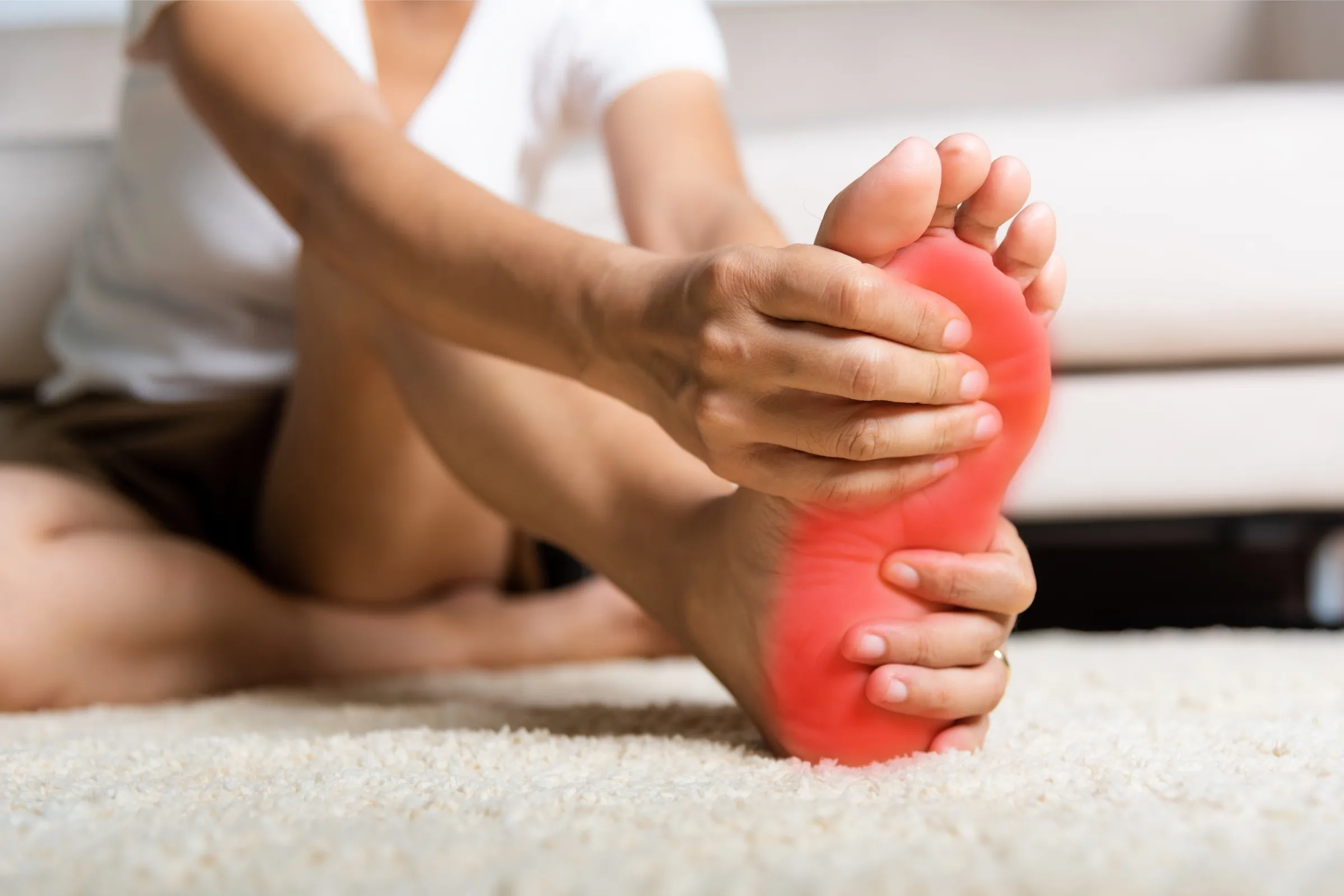
Plantar Fasciitis
Heel and arch pain from irritation of the tissue along the bottom of the foot, often worst with the first steps of the day.
Learn More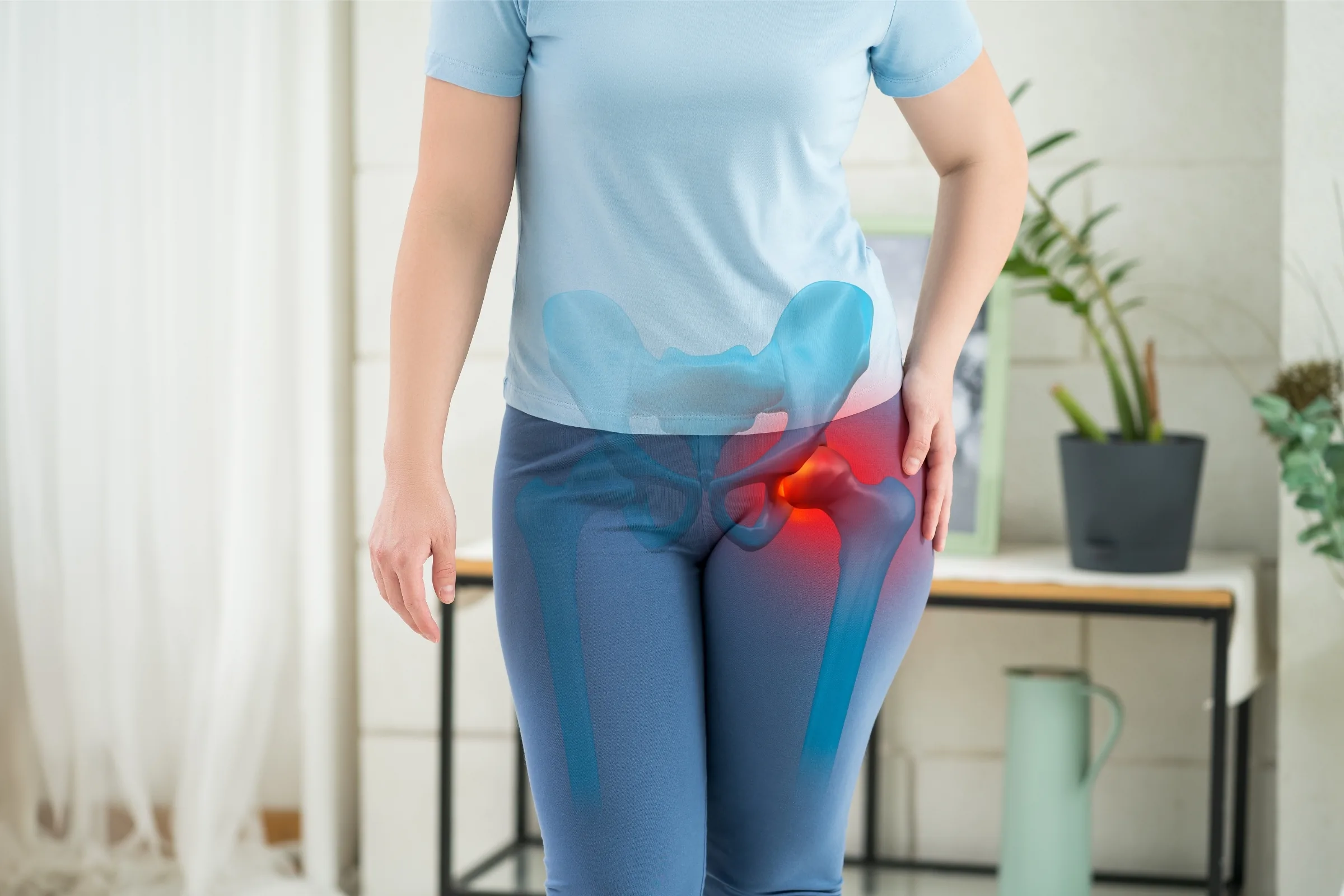
Hip Pain
Hip and groin pain or stiffness that affects walking, sitting, and sleep.
Learn More
Pregnancy-Related Spinal Stress
A physiologic state that shifts posture, weight, and ligament tension in ways that strain the spine.
Learn More
Sciatica
Sharp, radiating pain down the leg caused by irritation of the sciatic nerve at the spine.
Learn More
Carpal Tunnel Syndrome
Hand and wrist pain, numbness, or weakness from median nerve compression.
Learn More
Back Pain
Spinal misalignment, disc problems, or muscle strain limiting daily movement and quality of life.
Learn More
Arm & Leg Pain
Pain, numbness, or weakness in the limbs caused by nerve compression at the spine.
Learn More
Neck Pain
Stiffness, soreness, or sharp pain in the cervical spine that limits motion and daily activity.
Learn More
Work Injury
Injuries from job-related accidents, repetitive motion, or sustained poor posture on the job.
Learn More